Why is My Wool Rug Shedding?
Fiber shedding on wool rugs is a common issue many customers inquire about. They buy a new wool rug, set it down and start to see fibers come from it. They believe that with the right amount of vacuuming or even cleaning, the shedding will cease. Unfortunately, this is not the case.
Where does wool for rugs come from?
A common belief about wool rugs is that they are all the same quality. Wool is wool, right? It is true that all wool comes from the same source – sheep. But what happens after the wool is harvested?
After collecting the wool, it is washed to remove dirt and impurities. Depending on the manufacturer, the wool is also treated chemically to enhance brightness and feel.
The reason for shedding on wool rugs.
Due to this extra step, the integrity of the fiber is compromised. Just like when hair is over bleached, the fiber continues to break and shed. This shortens the lifespan of the rug and leaves it more susceptible to pile distortion, heavy traffic patterns, wear and continued shedding.
Which rugs have lower quality wool?
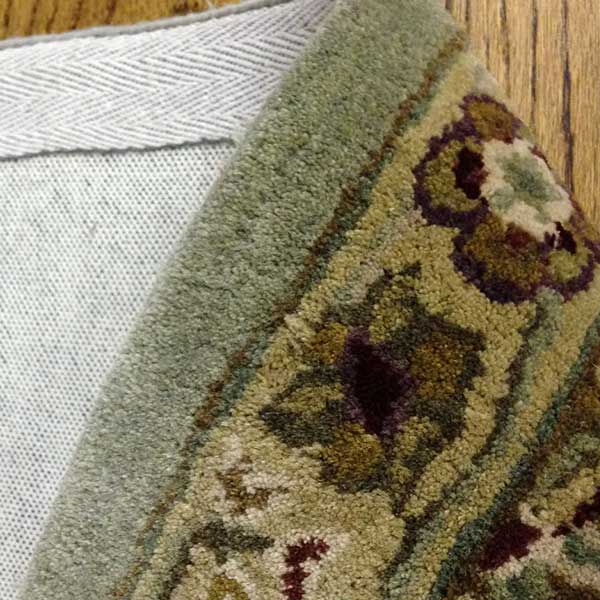
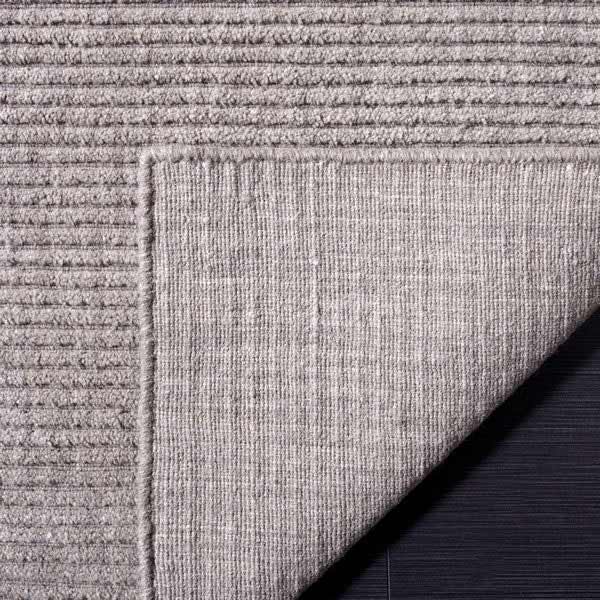
The most common rugs that use this low-quality wool are tufted rugs and loomed rugs (see pictures below). These types of rugs are made quickly and cheaply, then sold for high-quality prices. These rugs are commonly mass-produced in India and China.
Which rugs have higher quality wool?
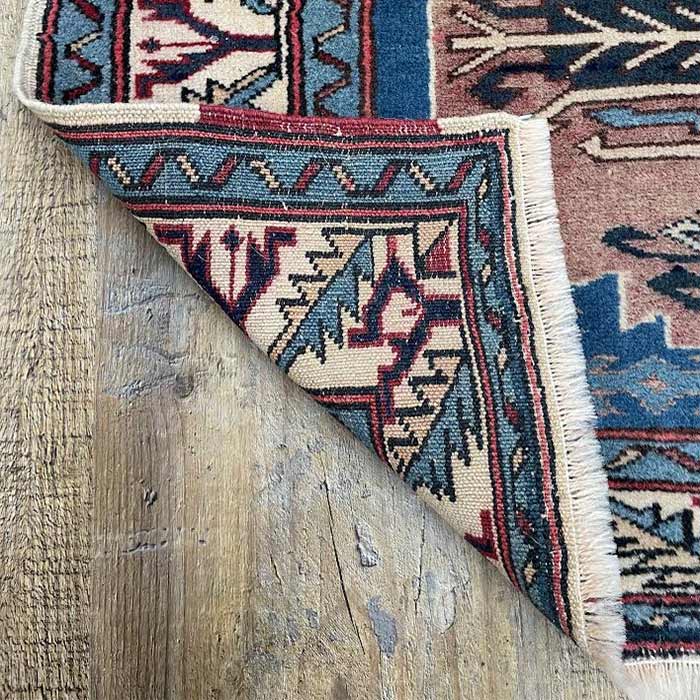
High-quality, hand-knotted or hand-woven wool rugs are made with stronger, less-processed wool (see picture below). While minor shedding is normal within the first few weeks of purchase, it should subside. Hand knotted wool rugs are made to last generations with routine cleanings and proper maintenance.